

Home Facial Hair

Precise Facial Hair Transplants

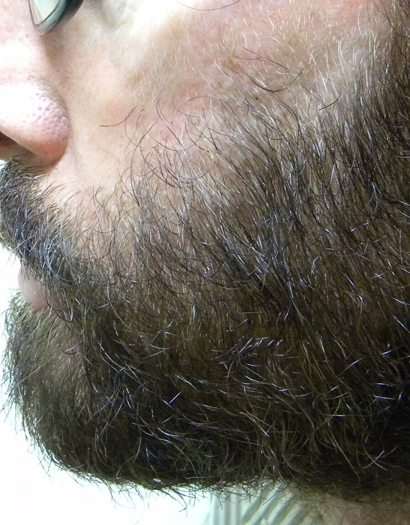
At Tempus Hair Restoration, Dr. Marco Barusco and his team are not limited to performing hair transplant procedures in the scalp. We can provide a solution to hair loss in any area of the body, including facial hair transplant. These procedures are more complex and require a lot of experience of the doctor and the team. We perform a large amount of hair transplants in beards, mustaches and sideburns for men. The procedure is done both for filling in thin areas or to camouflage a facial scar.

Specializing in Eyebrow Transplants

The most common area for hair transplants, other than the scalp, is the eyebrows. The eyebrows are a very important facial feature and are one of the few ways we express our emotions. If you’ve lost eyebrow hair due to a disease, a scar from an accident or a cosmetic choice that you now regret, we can help. The solution for most patients is hair transplantation. Stop penciling in your eyebrows every day. We even treat patients with tattooed eyebrows that are now fading and discoloring.

Not Every Hair Restoration Specialist Can Handle Facial Hair Implants

It is important to know that techniques used in facial hair transplants are different from the ones used for procedures in the scalp. You need a specialist like Dr. Barusco who is artistic and pays attention to detail. That includes taking the time to plan the angle and direction of hair for the most natural looking results. If you would like to fill in gaps or have scars that could be hidden by facial hair, don’t cut corners with a less experienced practice.

The hair for facial hair transplants is normally taken from the sides and back of the head, which are the same areas used in normal hair transplant surgery for bald and thinning areas of the scalp. The only difference is that the hair removed is usually from lower down toward the neck where the hair quality is more compatible to facial hair. Dr. Barusco understands how hairs from different areas of the body behave, and he has the skill and artistry to harvest the hairs that are the best match.
Frequently Asked Questions

The length of a beard transplant varies depending on the number of grafts and the areas being treated. During consultation, Dr. Barusco evaluates your goals and provides a personalized treatment plan and expected procedure timeline.

Yes. A beard transplant can improve patchy areas throughout the cheeks, mustache, chin, jawline, sideburns, and goatee. Dr. Barusco customizes treatment based on your facial hair pattern and donor hair availability.

Yes. A facial hair transplant can increase beard density and create fuller coverage. Dr. Barusco may recommend Follicular Unit Excision, commonly known as FUE, based on the patient's goals, donor supply, and hair characteristics.

Most patients should avoid shaving until the transplanted grafts have healed. Dr. Barusco provides detailed postoperative instructions and will advise when it is appropriate to resume trimming or shaving based on the healing process.

The number of grafts depends on the treatment area and the desired level of density. During consultation, Dr. Barusco evaluates the donor area and facial hair goals to determine the estimated graft requirements.

Donor hair is typically harvested from the back or sides of the scalp, where follicles are generally more resistant to hair loss. Dr. Barusco selects grafts that closely match the texture and characteristics of the existing facial hair.

Yes. Once the grafts heal, transplanted facial hair grows naturally and can be trimmed, shaved, and styled like existing beard hair. Initial shedding is normal before new growth begins.

Yes. Dr. Barusco works closely with each patient to design the beard shape, cheek line, and overall density to complement facial features and personal preferences while maintaining a natural appearance.

In many cases, a beard transplant can help camouflage scars within the beard region. Dr. Barusco evaluates the quality of the scar tissue and surrounding skin to determine whether transplantation is an appropriate option.

Initial shedding after surgery is a normal part of the process. New growth typically begins within several months, with continued improvement over the following year as the transplanted follicles mature.

Yes. Natural-looking results depend on the angle, direction, and density of graft placement. Dr. Barusco carefully plans and performs the critical aspects of the procedure to create facial hair that complements the patient's features.

Yes. Dr. Barusco works with patients to customize the shape, thickness, and style of the beard or mustache based on facial structure, grooming preferences, and long-term goals.

Our precise facial hair transplant fills thin hair and hides scars with natural results.

Dr. Barusco features years of expertise restoring thinning facial hair. He also has the skill to subtly hide facial scars with his delicate hair transplant techniques.